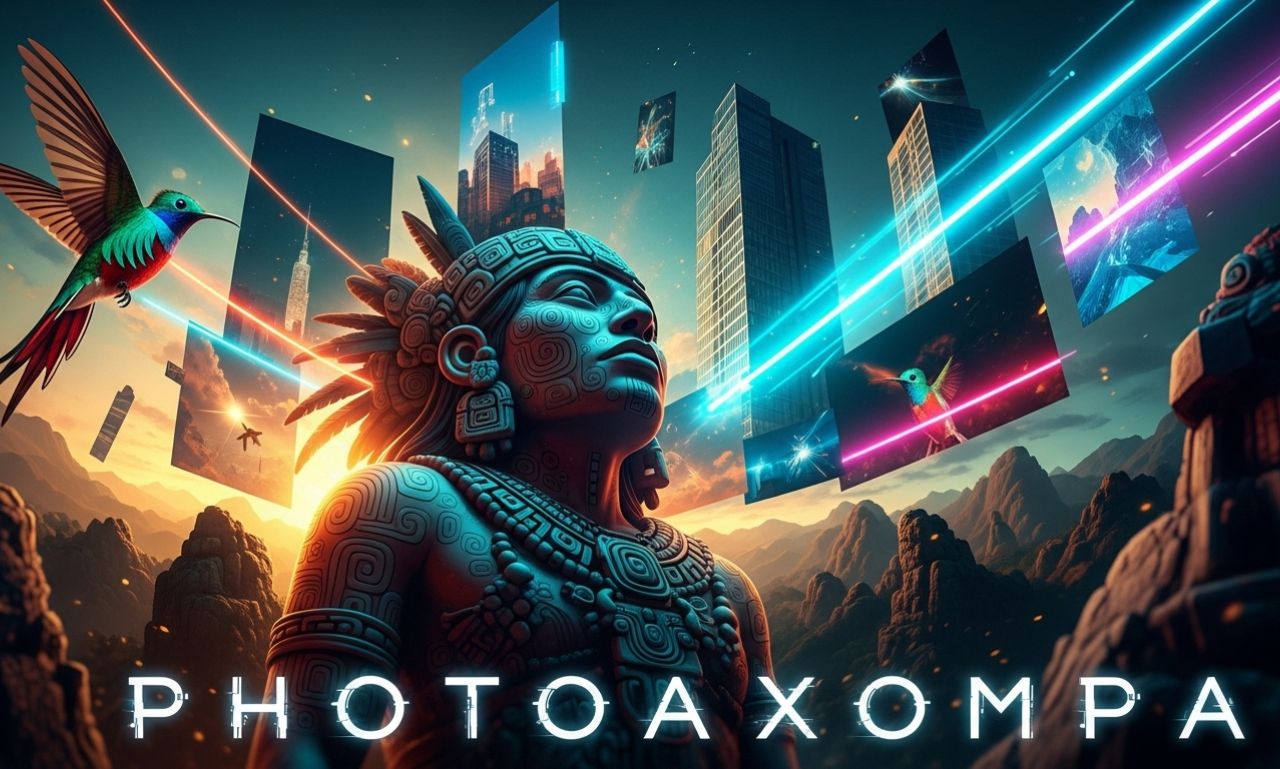
In the ever-evolving world of digital creativity, a mysterious term has begun surfacing across online art forums and social media — Photoaxompa. Though its origins remain partly shrouded in mystery, artists and visual creators have started using “photoaxompa” to describe a new hybrid form of photography, combining ancient cultural symbolism with the cutting-edge techniques of digital manipulation.
But what exactly is Photoaxompa? Some claim it traces back to indigenous Mexican art traditions blending sacred geometry, color patterns, and ritualistic design. Others define it as a modern creative philosophy emphasizing storytelling through layered digital photos. Whatever the case, one thing is certain: Photoaxompa is reshaping how artists think about visual identity, authenticity, and emotion in photography.
The Meaning and Origins of Photoaxompa
The word Photoaxompa itself is believed to come from two root ideas:
-
“Photo” — derived from the Greek phōtós, meaning “light.”
-
“Axompa” — thought to originate from an ancient Nahuatl term referring to “joining” or “binding together.”
When combined, Photoaxompa roughly translates to “the binding of light,” a poetic way to describe how modern artists merge visuals, stories, and culture into one cohesive piece.
According to speculative cultural researchers, the term may have first appeared in art collectives in Oaxaca, Mexico, around the late 2010s. These groups experimented with visual storytelling techniques that blended indigenous textile patterns with modern photography, birthing a movement that emphasized emotional resonance over perfection.
Photoaxompa, then, isn’t just a photography trend — it’s a philosophy of creation.
The Philosophy Behind Photoaxompa: Light, Culture, and Connection
At its core, Photoaxompa explores how humans perceive truth and memory through images. While traditional photography focuses on capturing a single moment, photoaxompa seeks to layer multiple visual experiences — blending memory, myth, and motion.
1. The Light Element
Light is more than just exposure in the photoaxompa framework; it’s a symbol of consciousness. Artists treat lighting as a storytelling tool — using warm tones to reflect emotional healing and cooler tones to explore solitude or rebirth.
2. The Cultural Element
Photoaxompa also reclaims cultural heritage. Artists often integrate indigenous designs, symbols, and motifs to highlight the importance of cultural preservation in a digital world. This can include native textile patterns, ancient glyphs, or colors inspired by traditional dyes.
3. The Emotional Element
Photoaxompa practitioners believe every photograph should tell a story that transcends beauty — it should evoke transformation. Through surreal editing, intentional distortion, or layered imagery, artists encourage viewers to feel rather than simply observe.
Photoaxompa Techniques: How Artists Create Emotion Through Layered Photography
Creating a photoaxompa piece involves a blend of traditional and digital techniques. Artists often follow three main steps:
1. Foundation Photography
The artist begins by capturing real-world images — often of landscapes, faces, or ritual scenes. The key is intentional imperfection: slightly blurred lines or asymmetric angles evoke movement and authenticity.
2. Cultural Layering
Here, the artist overlays symbolic textures such as fabric patterns, ancient script, or abstract brushstrokes. These textures are sometimes hand-drawn before being digitized, emphasizing the fusion of old and new.
3. Digital Blending and Color Mapping
The final step involves color storytelling — applying tones that correspond to the emotional message of the piece. For example:
-
Red hues = passion, ancestry, energy
-
Blue tones = peace, reflection, or sadness
-
Gold overlays = enlightenment, divine connection
Through these processes, Photoaxompa becomes a visual poem, merging time, culture, and creativity.
Photoaxompa and Its Connection to Ancient Mexican Art
The philosophical core of Photoaxompa is deeply rooted in Mexican art traditions, especially from regions like Oaxaca and Chiapas. These regions are known for their intricate weavings, murals, and clay works — all of which emphasize storytelling through symbolic patterns.
1. Influence of Zapotec and Mixtec Design
Zapotec and Mixtec artisans have long used symbolic geometry in their art to depict balance, fertility, and cosmic order. Photoaxompa borrows these motifs, embedding them into photographic compositions to restore spiritual depth to modern imagery.
2. The Ritual of Storytelling
In ancient times, storytelling was performed visually through murals and ceremonial textiles. Modern photoaxompa artists do the same — but digitally — translating rituals into pixels and stories into layers of light.
3. Cultural Preservation
By using indigenous influences respectfully, photoaxompa serves as a bridge between ancient heritage and modern identity — reminding the digital generation that technology can be a tool for cultural revival, not just consumption.
Photoaxompa in the Digital Era: From Instagram to NFTs
While photoaxompa draws from ancestral roots, it’s thriving in the digital ecosystem. Artists now use platforms like Instagram, Behance, and even NFT marketplaces to showcase their creations.
1. The Rise of the “Digital Artisan”
Unlike conventional photographers, digital artisans blend AI tools, 3D rendering, and editing software to produce photoaxompa-inspired works. These creations blur the line between art, technology, and cultural storytelling.
2. NFTs and Ownership
The NFT movement gave artists new freedom to monetize their originality. Some creators have minted photoaxompa pieces as digital collectibles, allowing collectors to own a fragment of artistic heritage intertwined with modern innovation.
3. Social Media and Global Recognition
Hashtags like #photoaxompaart and #culturalphotography are slowly gaining traction, helping this aesthetic reach international audiences. Many artists report that viewers are drawn not only to the visual richness but also to the spiritual calmness the pieces evoke.
The Psychological Impact of Photoaxompa Art
Beyond visual appeal, photoaxompa engages the subconscious mind. Researchers in visual psychology suggest that layered images stimulate deeper emotional processing, evoking memory and empathy.
-
For Creators: The process of crafting photoaxompa can be meditative, helping artists explore identity and trauma through creativity.
-
For Viewers: The imagery often induces calmness, nostalgia, or introspection, similar to how traditional art therapy operates.
This emotional resonance may explain why photoaxompa-inspired exhibitions have become popular in wellness spaces and holistic art galleries.
Photoaxompa vs. Traditional Photography
| Aspect | Photoaxompa | Traditional Photography |
|---|---|---|
| Purpose | Emotional storytelling | Capturing a moment |
| Technique | Multi-layered blending | Single exposure |
| Medium | Hybrid (digital + symbolic art) | Primarily digital or analog |
| Cultural Influence | Deeply rooted in heritage | Minimal cultural blending |
| Artistic Focus | Transformation and symbolism | Composition and realism |
Photoaxompa does not replace traditional photography; it expands it, merging photography with cultural narrative and personal expression.
How to Create Your Own Photoaxompa Artwork
Want to try this powerful visual form? Follow these steps:
Step 1: Research and Inspiration
Study indigenous art patterns, spiritual symbolism, and ancient Mexican designs. Let your inspiration guide your theme — love, rebirth, connection, or loss.
Step 2: Capture Base Images
Use natural light photography to capture authentic textures — wood, skin, cloth, or landscapes.
Step 3: Layer Symbolism
Digitally overlay patterns, glyphs, or textures that represent your chosen emotion. Avoid cultural appropriation; instead, focus on respectful representation.
Step 4: Edit with Intention
Use editing tools like Adobe Photoshop or Lightroom. Play with blending modes, transparency, and color storytelling.
Step 5: Title and Narrate
Give your artwork a meaningful title and a short poetic description — storytelling enhances SEO discoverability and emotional depth.
The Future of Photoaxompa
As creative technology continues to evolve, Photoaxompa may define a new era of hybrid art — one where storytelling, symbolism, and technology merge to reflect the human condition. Whether through VR exhibitions or AI-assisted digital design, the philosophy behind photoaxompa reminds us that creativity is not just about making images but creating meaning.
Emerging artists are already experimenting with AI photoaxompa generators, blending machine learning with cultural data sets to reinterpret ancient designs through new lenses. This evolution promises a fascinating dialogue between the ancient and the algorithmic.
Conclusion: Photoaxompa as a Movement of Meaning
Photoaxompa isn’t just a visual style — it’s a creative awakening. In a time when photography risks becoming formulaic, this movement reintroduces mystery, heritage, and emotion. By fusing ancient Mexican artistry with modern technology, photoaxompa stands as proof that the past and the future can coexist in perfect light.
For artists, it’s an invitation to connect to something timeless.
For viewers, it’s a reminder that every image holds a story — if only we dare to look deeper.